
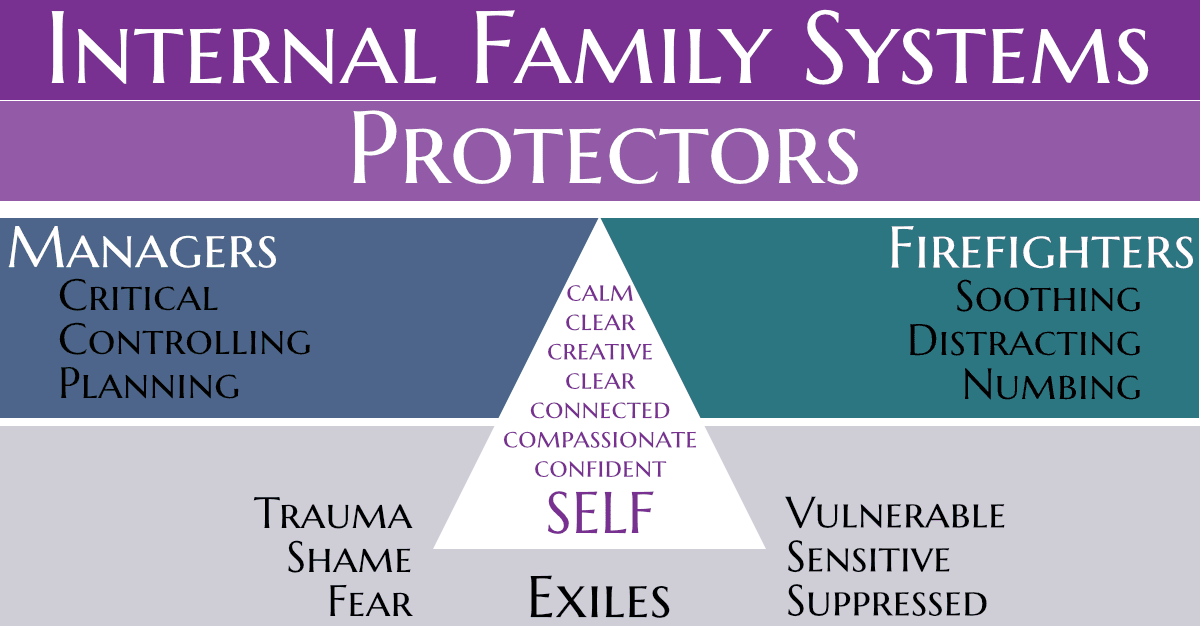
An homage to Internal Family Systems
The mind is not a singular entity but a dynamic and intricate system composed of distinct parts, each carrying its own emotions, beliefs, and motivations. Some parts may be protective, seeking to shield us from pain, while others may hold unresolved fears, desires, or memories. Understanding and engaging with these parts can unlock profound personal insight and healing.
Internal Family Systems (IFS), a therapeutic model developed by Dr. Richard Schwartz, provides a powerful framework for exploring and harmonizing these internal dynamics. IFS helps us recognize that every part, even those that seem disruptive or self-sabotaging, has a valuable role and a voice that deserves to be heard. By cultivating awareness of our inner family, we can foster balance, integration, and self-compassion.
The Trinity Mystic Method builds on this understanding by placing inner dialogue and parts work at the heart of transformational healing. Through guided exploration, hypnosis, and energy-based practices, we encourage a conscious conversation between parts, helping each one feel acknowledged, safe, and understood. This approach not only deepens self-awareness, but also supports the transformational identity alignment of the True Self—the authentic, integrated essence of who we are.
By integrating the insights of IFS with the practices of the Trinity Mystic Method, we move beyond surface-level change and toward meaningful transformation, creating lasting shifts in mindset, emotional resilience, and inner harmony.
What Is Internal Family Systems?
Internal Family Systems (IFS) is based on the idea that the psyche is made up of multiple sub-personalities or “parts,” each with distinct roles and functions. These parts can be categorized into three primary types:
- Exiles – These are wounded, suppressed parts that carry deep-seated pain, shame, or trauma. They often emerge in childhood and are pushed away to protect the individual from overwhelming emotions.
- Managers – These parts work proactively to prevent discomfort or pain by controlling behavior, emotions, and relationships. They often take the form of perfectionism, people-pleasing, or hyper-vigilance.
- Firefighters – When exiles break through and bring up distressing emotions, firefighters respond impulsively to suppress the pain. This can manifest as addictive behaviors, dissociation, or emotional outbursts.
At the core of IFS is the Self, the compassionate and centered presence within each person. When we are in touch with our Self, we can guide and heal our internal parts rather than being dominated by them.
How Embracing Parts Work Facilitates Positive Change
By becoming aware of our internal parts, we gain deeper insight into our emotional responses and behavioral patterns. This awareness is the first step toward healing and integration. Here’s how understanding our internal system leads to positive change:
- Self-Compassion – Recognizing that each part has a protective purpose allows us to approach our inner world with curiosity rather than judgment. Instead of suppressing or battling certain aspects of ourselves, we can listen to them with empathy.
- Emotional Regulation – We understand the triggers behind certain emotions and behaviors. This allows us to gain the ability to pause and respond consciously rather than react impulsively.
- Healing Trauma – By connecting with exiles in a safe and compassionate way, we can process unresolved pain and release long-held burdens. Inner child therapies, which focus on nurturing and validating these wounded parts, are particularly effective in this healing process.
- Reducing Internal Conflict – When managers and firefighters feel heard and understood, they no longer need to act in extreme ways. This leads to greater inner harmony and balance.
Mindfulness and Observing Parts
Mindfulness plays a crucial role in Parts Work by allowing us to observe our thoughts, emotions, and internal dynamics with greater clarity. When we practice mindfulness, we can step back and witness our parts without becoming overwhelmed or identifying with them. This recognition helps us see that each part is simply an aspect of the self, not our entire identity. By cultivating this awareness, we create space for healing and transformational identity alignment, ensuring that our true essence—the True Self—remains the guiding force in our lives.
Integrating Parts for Wholeness and Growth
Healthy integration involves creating a cooperative relationship between all parts, allowing the Self to take the lead. Here are some practices to support this process:
- Mindfulness and Meditation – Developing present-moment awareness helps us observe our inner dialogue without getting entangled in it.
- Journaling – Writing from the perspective of different parts can provide valuable insights and foster internal communication.
- Guided Parts Work or Self-Exploration – Booking a session at Trinity Mystic or working with a trained IFS therapist, and/or using self-inquiry techniques can help navigate deep-rooted patterns.
- Inner Dialogue – Engaging in compassionate conversations with different parts of ourselves allows for deeper understanding and integration.
Embracing Parts Work
Embracing parts work as a pathway to self-awareness and integration empowers us to live with greater ease, authenticity, and emotional resilience. When we learn to recognize and heal our parts rather than reject them, we step into a more harmonious and compassionate way of being. By cultivating a relationship with our True Self, we become the guiding force of our internal system, fostering true identity level transformation from within.
If you’re ready to explore how the Trinity Mystic Method can support your journey, consider booking a synergy call or exploring our services. Together, we can create a personalized path for engaging with your inner parts, deepening self-awareness, and aligning more fully with your True Self. This work offers a safe and guided space to transform your inner dialogue, cultivate emotional resilience, and step into a life of greater authenticity, ease, and harmony.